
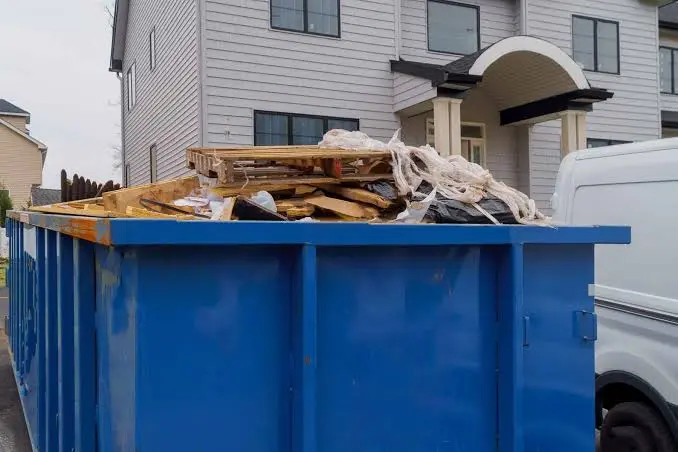
Common area renovations can improve the appearance and function of an apartment community, condominium building, office property, or mixed-use development, but they also create cleanup challenges that affect more than the immediate work zone. Hallways, lobbies, clubhouses, laundry rooms, mail areas, stairwells, fitness rooms, and shared outdoor spaces may all remain partially accessible while construction is underway.
For property managers, dumpster planning should be coordinated with resident access, contractor schedules, deliveries, parking, and property operations. A well-placed container and clear debris-removal plan can help keep renovation waste from spreading into shared spaces or creating unnecessary disruption for tenants and visitors.
Start With the Renovation Scope
Before scheduling a dumpster, identify exactly which common areas are being renovated and what materials will be removed.
A lobby refresh may create flooring, trim, drywall, lighting, furniture, and packaging waste. A clubhouse renovation may involve cabinets, counters, fixtures, doors, and old furnishings. Hallway projects may generate carpet, baseboards, ceiling materials, wall coverings, and paint-related supplies.
Understanding the likely debris helps property managers and contractors determine how much staging space is needed and how quickly materials will need to leave the property.
Choose a Dumpster Location Carefully
Dumpster placement on an occupied property requires more planning than placement at an empty construction site. The container should be convenient for contractors without taking over critical parking, blocking fire lanes, restricting trash collection, or interfering with resident entrances.
Property managers may coordinate debris removal through Waste Removal USA when common area renovation debris exceeds what the property’s normal waste system can handle.
The container location should also allow enough room for delivery and pickup trucks. A spot that appears convenient may become difficult to service once resident vehicles, landscaping equipment, or contractor trailers are nearby.
Keep Resident Routes Separate From Debris Routes
One of the most important planning steps is separating everyday resident movement from construction debris whenever possible.
Contractors may need to carry old flooring, drywall, doors, cabinets, trim, or furniture through corridors and entrances that residents normally use. Property managers should identify the safest route and determine whether an alternate entrance, service corridor, elevator, or exterior path can be used.
When shared paths cannot be avoided, debris should move through them in controlled periods rather than remaining staged there throughout the day.
Avoid Using Normal Trash Areas for Construction Waste
A common area renovation can quickly overwhelm an apartment or commercial property’s regular trash system. Old carpet, cabinets, fixtures, flooring, drywall, and bulky furniture can consume the capacity residents need for ordinary household waste.
Using a separate construction disposal plan helps keep regular trash service functioning. It also prevents large renovation materials from being left beside shared dumpsters or overflowing into parking and service areas.
Property managers should make sure contractors understand which waste system belongs to the renovation and which one is reserved for tenants.
Protect Shared Floors and Walls
Debris moving from an interior common area to a dumpster may pass through finished portions of the property. Hallways, elevators, entryways, stairwells, and lobbies can be scratched or damaged if heavy materials are moved carelessly.
Floor protection, corner guards, carts, and appropriate carrying methods can reduce that risk. Contractors should also avoid dragging carpet rolls, metal framing, cabinets, or broken materials across finished surfaces.
Protecting the removal route can prevent a renovation from creating additional repair work in areas that were never part of the original project.
Schedule Debris Removal Around Resident Traffic
Common areas often experience predictable periods of heavy use. Morning departures, evening arrivals, school pickup times, mail delivery, package activity, and weekends may all increase foot traffic.
Property managers should consider these patterns when scheduling large debris moves. Removing bulky materials during quieter periods can reduce conflicts between residents and contractors.
This can be particularly useful when work affects building entrances, elevators, parking garages, or narrow hallways.
Coordinate With Apartment Turnovers
Common area renovations sometimes happen alongside individual unit turnovers. That can create even more competition for loading areas, dumpsters, elevators, and contractor parking.
Managers using an apartment turnover checklist should coordinate those unit-level projects with the broader renovation schedule. If several units and a clubhouse are being renovated at the same time, debris volume can increase quickly.
Planning both workstreams together helps prevent the disposal area from filling sooner than expected.
Separate Reusable Property Materials
Not everything removed from a common area needs to be discarded. Furniture, doors, hardware, shelving, light fixtures, decorative elements, or maintenance supplies may be useful elsewhere on the property.
Managers should decide what will be retained before demolition begins. Saved items should be labeled and moved to a clean storage area away from the main debris.
This prevents maintenance staff from having to recover reusable property assets after they have already been mixed with waste.
Control Packaging During Installation
Once demolition decreases, packaging often becomes the next major cleanup issue. New flooring, furniture, lighting, cabinets, fixtures, signage, and décor may arrive with large amounts of cardboard, foam, plastic wrap, straps, and pallets.
Contractors should break packaging down as products are installed instead of allowing it to accumulate in hallways or common rooms.
Keeping packaging under control is especially important when parts of the renovated area reopen before the entire project is complete.
Plan for Multiple Trades
Common area renovations frequently involve flooring installers, painters, electricians, carpenters, plumbers, furniture installers, and other specialists. Each crew can create a separate waste stream.
Property managers and general contractors should establish cleanup expectations from the beginning. Trades should know where debris belongs, which routes they may use, and what must be removed before they leave.
Clear rules prevent one crew’s waste from becoming an obstacle for the next.
Keep the Dumpster Area Clean
The area around the dumpster should not become another debris pile. Loose cardboard, broken materials, furniture, or bags left beside the container can interfere with parking, landscaping, and pickup.
Contractors should load materials properly and keep the surrounding area clear. Property staff may also need to monitor the location so residents do not begin using the renovation container for household trash if that is not permitted.
A clean container area helps the renovation look controlled even while construction is active.
Communicate Changes to Residents
Residents should know when renovation activity may affect their normal routines. Property managers can provide notice about temporarily closed entrances, elevator restrictions, parking changes, noisy work, or periods when contractors will be moving debris.
They do not need every construction detail, but practical information reduces surprises and complaints.
Clear communication is especially important when the dumpster occupies parking spaces or when common pathways change during different phases of work.
Review the Property Before Final Pickup
Before the dumpster leaves, managers and contractors should check all common areas, debris routes, loading zones, parking spaces, and exterior staging locations.
Look for loose screws, carpet scraps, packaging, drywall pieces, old hardware, broken trim, and items left behind by individual trades. Confirm that resident access is fully restored and temporary protection has been removed.
A detailed final review helps ensure the property looks finished rather than simply construction-free.
Dumpster rental planning for common area renovations requires property managers to balance contractor efficiency with everyday property operations. Container placement, resident access, parking, shared waste systems, delivery routes, and contractor schedules all need to work together.
By establishing a dedicated disposal plan, protecting shared spaces, coordinating multiple trades, and keeping residents informed, property managers can keep common area renovation debris under control while the rest of the property continues functioning.
Also Read
- YNS Meaning: Real-Life Examples (2026 Guide)
- Dapper Meaning Explained: Definition, Style, and Modern Fashion Guide
- Clever puns for walking
