
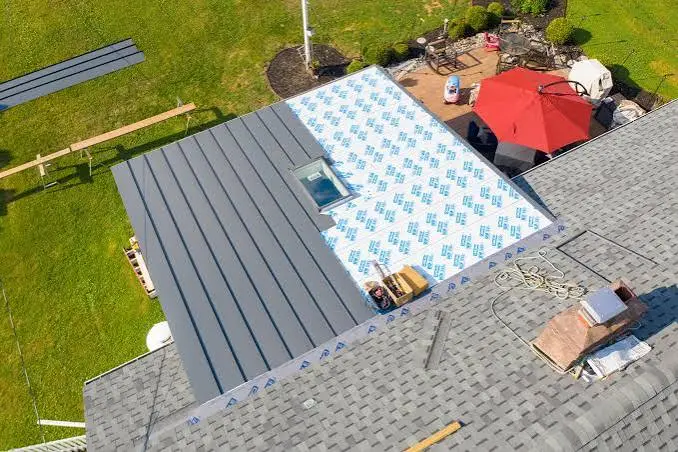
A roofing project can involve suppliers, tear-off crews, installers, inspectors and property occupants working around one another. Without a clear plan, a minor delivery error or unexpected deck damage can interrupt the entire schedule. Successful roofing project management does not mean pretending every job will run perfectly. It means identifying dependencies early and building a process that can respond when conditions change.
Define the Scope Before Setting a Deadline
A reliable schedule begins with a detailed site assessment. Contractors should document roof measurements, access routes, existing drainage, visible substrate conditions and areas that may require specialized work. They should also check permit and inspection requirements.
An estimate that describes only the finished roof can hide decisions about tear-off, disposal, insulation, deck repairs and flashing. Clarifying those items reduces disputes once crews are onsite. Where hidden damage cannot be confirmed in advance, the contract should explain how additional work will be assessed and authorized.
Build a Schedule Around Real Dependencies
Installation tasks must follow a workable sequence. Material staging may need to happen before tear-off. Certain surfaces must be dry before subsequent layers are installed. Inspections might need to occur before sections can be covered.
Project managers should distinguish the critical activities that control completion from tasks that have scheduling flexibility. In addition, they should allow realistic time for delivery, weather interruptions and required approvals. Promising an unnecessarily aggressive date may create costly pressure to compromise quality.
Coordinate Materials and Access
A crew cannot install products that have not arrived or cannot be moved safely to the work area. Confirm product specifications, quantities, lead times and delivery locations well before mobilization. Check whether elevators, loading bays, cranes or road closures require reservations.
Keep materials protected according to manufacturer requirements. Poor storage can damage components before installation begins. Also prepare a process for missing or incorrect supplies so one delivery mistake does not halt unrelated work.
Make Safety a Core Scheduling Requirement
Falls, dropped materials and unsafe access threaten both workers and the public. Site planning should account for edge protection, overhead hazards, access control, weather conditions and occupant routes. Managers should use applicable occupational safety requirements rather than treating safety measures as optional delays.
For U.S. projects, OSHA roofing and fall-protection information offers an authoritative starting point. The correct procedures depend on the worksite and local rules.
Communicate Changes Before They Become Surprises
Owners and building occupants need clear information about work hours, noise, entrances, protected areas and temporary shutdowns. Short progress updates help everyone understand what was completed and which decisions remain open.
When hidden damage appears, document it with photographs, explain potential schedule and cost effects, and obtain appropriate approval before proceeding. A written change process protects both the customer and contractor.
Verify Work in Stages, Not Just at Handover
Quality checks should occur throughout the project. Supervisors can examine substrate preparation, flashing details, fastening, drainage transitions and manufacturer-specific requirements before later layers conceal the work.
At completion, review punch-list items, cleanup, drainage, warranties and maintenance recommendations. Collect inspection records and document any outstanding corrections.
Conclusion
Reliable roofing schedules come from thorough scoping, practical sequencing and responsive communication. Contractors who coordinate materials, safety and quality checks from the beginning are better positioned to manage delays without sacrificing the finished roof.
Also Read-IMAO Meaning in Text: What Does IMAO Mean?
